Exosomes in Skincare: The Regenerative Trend That’s Changing 2026
Published February 12, 2026 • By AgelessWorld Editorial Team
Last updated February 28, 2026 • Reviewed by AgelessWorld Medical Review Board (Clinical content review)
5 min read
Fact-check method
This article is reviewed against primary citations, guidance statements, and known evidence limitations before publication and update.

If you’ve been on skincare TikTok or Instagram in late 2025, you’ve probably seen the word “exosomes” everywhere. They’re being called the next big thing after retinol and peptides—and for good reason.
In 2026, exosomes are moving from high-end dermatology clinics into more accessible skincare products, offering potential regenerative benefits without the downtime of lasers. But what are they really—and do they live up to the hype?
This article breaks down the biology, evidence, safety considerations, and realistic expectations behind exosome skincare, without exaggerated claims or marketing noise.
What Are Exosomes? (A Simple Biology Explanation)

Exosomes are extracellular vesicles—tiny, membrane-bound particles naturally released by cells. Their primary role in the body is communication.
Inside exosomes are:
- Proteins
- Lipids
- Growth factors
- RNA and microRNA
Rather than acting like traditional skincare ingredients that sit on the surface, exosomes function as messengers, signaling nearby cells to initiate repair or regulation processes.
In medical research, exosomes have been studied for:
- Tissue repair
- Wound healing
- Immune modulation
Skincare applications are an extension of this broader regenerative research.
Why Exosomes Matter for Skin Aging
Skin aging is influenced by cumulative inflammation, collagen breakdown, and slower cellular communication. Exosomes are being explored because they may support several of these pathways indirectly.
Potential Anti-Aging Mechanisms
Based on early studies and clinical observations, exosomes may help with:
-
Collagen stimulation
Supporting fibroblast signaling involved in collagen and elastin maintenance -
Inflammation modulation
Helping calm post-procedure inflammation and redness -
Faster recovery
Improving skin’s ability to rebound after controlled injury (peels, microneedling)
Dermatologist frequently emphasizes that regeneration is not about forcing skin to behave younger, but about supporting repair pathways that already exist.
Clinic vs. At-Home Exosome Use
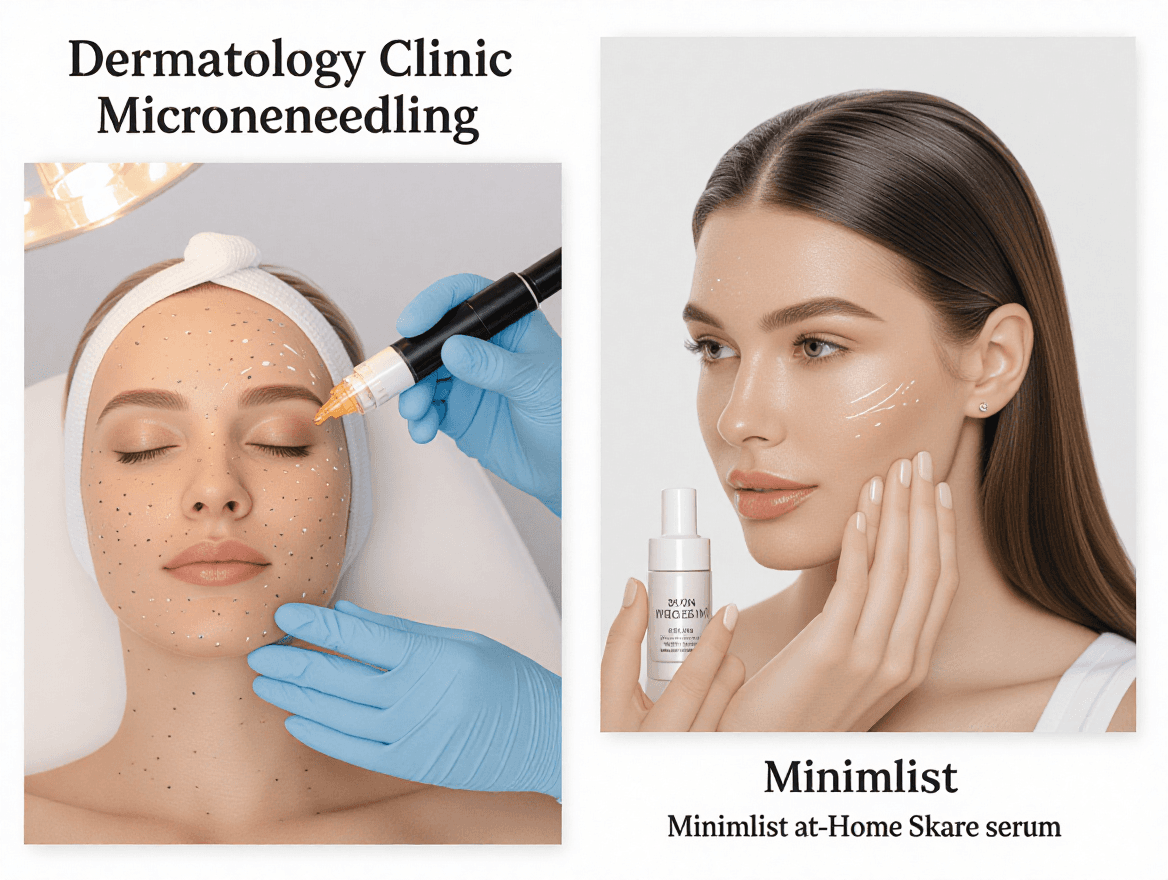
In-Clinic: Microneedling + Exosomes
Most clinical data supporting exosomes comes from procedural settings, where the skin barrier is intentionally disrupted.
Common clinical use cases:
- Microneedling with exosome serums
- Post-laser or post-peel recovery protocols
Why clinics see stronger effects:
- Microchannels allow deeper delivery
- Controlled environment reduces contamination risk
At-Home Topical Products
At-home exosome products typically:
- Sit on intact skin
- Rely on indirect signaling rather than penetration
They may still offer supportive benefits, particularly for:
- Barrier recovery
- Post-procedure calming
- Texture maintenance
However, results are likely more subtle compared to in-clinic treatments.
A 2026 Reality Check: What the Evidence Actually Says
Not all “exosome” products are created equal.
What Clinical Studies Support
Peer-reviewed research (primarily from wound-healing and dermatology journals) suggests:
- Exosome-rich solutions may accelerate healing
- Reduced inflammation markers after procedures
- Improved skin texture metrics in small cohorts
What’s Still Unclear
- Long-term effects of repeated topical use
- Standardized dosing in cosmetics
- Regulatory consistency across brands
Platforms like show that dermatologist feedback is cautiously optimistic—but rarely definitive.
In 2026, the most reliable results still come from clinician-administered protocols, not standalone consumer serums.
How to Use Exosomes Safely
Evidence-Informed Best Practices
- Pair with professional microneedling, not aggressive DIY devices
- Avoid daily use unless directed by a professional
- Do not combine with strong exfoliants simultaneously
- Patch test, especially if post-procedure
Dermatologist frequently cautions that regenerative skincare should reduce inflammation, not provoke it.
Personal Experience: A Recovery Perspective
After a mild chemical peel in late 2025, I tried an exosome booster recommended by a dermatologist. The goal wasn’t transformation—it was recovery.
What I noticed:
- Redness resolved sooner than usual
- Less post-peel tightness
- No irritation flare-up
This aligns with how exosomes are best understood: recovery accelerators, not overnight anti-aging miracles.
Alternatives If Exosomes Are Too Expensive
Exosome treatments remain costly. Fortunately, other evidence-supported options exist.
Accessible Alternatives
- Peptides – support cell signaling pathways
- Niacinamide – barrier repair and inflammation support
- Ceramides – restore lipid balance
- Low-dose retinoids – long-term collagen maintenance
These ingredients are better studied, more regulated, and easier to use consistently.
Lifestyle Still Matters More Than Any Serum
Regenerative skincare doesn’t work in isolation.
Factors influencing skin recovery include:
- Sleep duration and quality
- Metabolic health
- Chronic stress levels
👉 Track how lifestyle habits affect your skin recovery with our Biological Age Calculator
Patterns often reveal more than products alone.
Frequently Asked Questions
Sources & Citations
- Kalluri R, LeBleu VS. The biology, function, and biomedical applications of exosomes. Science
- Hu L et al. Exosome-based therapies in dermatology. Journal of Investigative Dermatology
- PubMed abstracts on extracellular vesicles and wound healing
- Dermatologist clinical commentary – RealSelf, 2024–2026
- Global Regenerative Skincare Trends Report, 2026
This article is for educational purposes only and does not provide medical advice.
How We Choose Sources
We prioritize peer-reviewed human evidence first, major public-health guidance second, and use trend reports only as supporting context. Read our Editorial Policy for full methodology.
Written by AgelessWorld Editorial Team
Reviewed by: AgelessWorld Medical Review Board
Publisher: inboundflow.in
Last reviewed/updated: February 28, 2026
Editorial PolicyAdvertising PolicyDisclaimer
Not medical advice. Consult a qualified clinician for diagnosis or treatment decisions.
Advertisement