Lower Your Biological Age in 2026: The Habits That Actually Work
Published February 12, 2026 • By AgelessWorld Editorial Team
Last updated February 28, 2026 • Reviewed by AgelessWorld Medical Review Board (Clinical content review)
6 min read
Fact-check method
This article is reviewed against primary citations, guidance statements, and known evidence limitations before publication and update.

We all know aging is inevitable—but how fast you age is not. Biological age tests, including epigenetic clocks, show that lifestyle choices can make you biologically 5–10 years younger (or older) than your birth certificate says.
In 2026, the science is clearer than ever: a handful of high-leverage habits drive most measurable changes in biological aging. This guide explains what biological age really means, which habits matter most, and how to track progress realistically—without chasing extremes.
What Biological Age Really Means (vs. Chronological Age)
Chronological age is simple: the number of years you’ve been alive.
Biological age, on the other hand, is an estimate of how your body is functioning relative to your actual age, based on biomarkers such as:
- DNA methylation patterns
- Metabolic markers
- Inflammation indicators
- Sleep and recovery signals
Much of the modern concept of biological age comes from epigenetic clock research pioneered by, which showed that aging can be measured—and that it responds to lifestyle factors.
Biological age is not destiny. It’s a dynamic signal, not a permanent label.
The Most Powerful Levers in 2026 (Ranked by Impact)
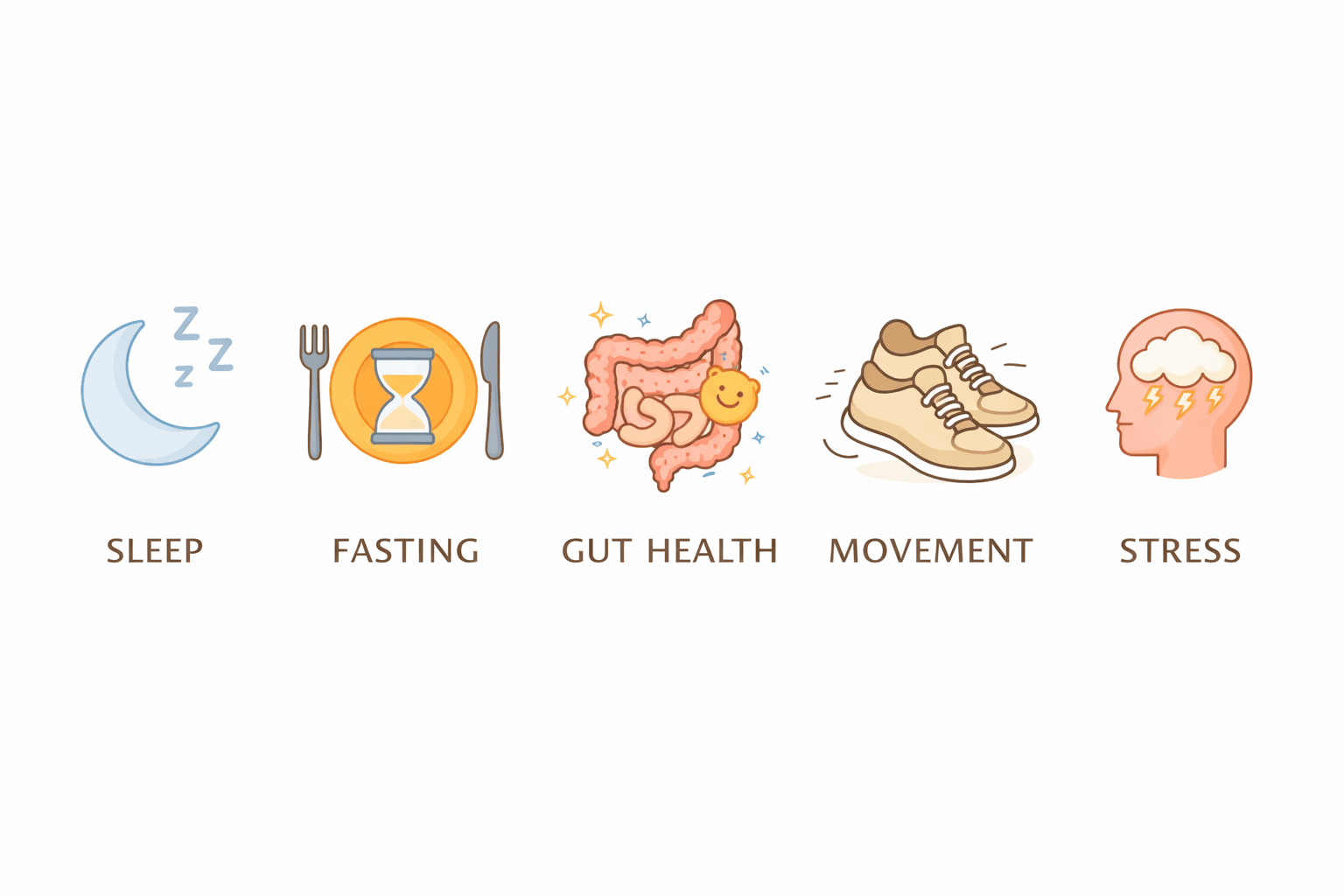
Based on longevity research, population studies, and epigenetic data, these factors consistently show the strongest association with biological age shifts.
1. Sleep (Highest Impact)
Chronic sleep restriction is linked to:
- Accelerated epigenetic aging
- Increased inflammation
- Impaired metabolic repair
Target range: 7–9 hours per night, consistently
Even partial sleep debt appears to influence aging markers within weeks.
2. Fasting & Metabolic Rhythm
Time-restricted eating supports:
- Insulin sensitivity
- Cellular cleanup pathways (including autophagy)
- Reduced metabolic stress
Common 2026 baseline:
- 14:10 to 16:8 fasting window
- 1–2 flexible fasting days per week (optional)
Fasting is not required—but metabolic consistency appears to matter.
3. Microbiome Health
The gut microbiome influences:
- Inflammation levels
- Immune regulation
- Nutrient absorption
Lower fiber intake and high ultra-processed food consumption are associated with older biological age signals.
4. Movement (Not Extreme Exercise)
You don’t need intense training.
The strongest associations come from:
- Daily walking
- Resistance training 2–3× per week
- Regular mobility work
Movement supports mitochondrial function, which plays a role in aging biology.
5. Stress & Nervous System Load
Chronic psychological stress correlates with:
- Faster telomere shortening
- Dysregulated cortisol patterns
- Older epigenetic age estimates
Stress reduction doesn’t mean eliminating stress—it means improving recovery.
Advertisement
Realistic Daily & Weekly Habits That Actually Work
Daily Habits
- Sleep within a consistent 60–90 minute window
- Walk at least 6,000–8,000 steps
- Eat fiber-rich foods (vegetables, legumes, whole grains)
- Stop eating 2–3 hours before bed
Weekly Habits
- 2–3 resistance sessions (30–45 minutes)
- One lower-calorie or time-restricted day (optional)
- At least one full rest or low-stimulation day
These habits show up repeatedly in longevity cohort data—not because they’re extreme, but because they’re repeatable.
How to Measure Progress (Without Obsessing)
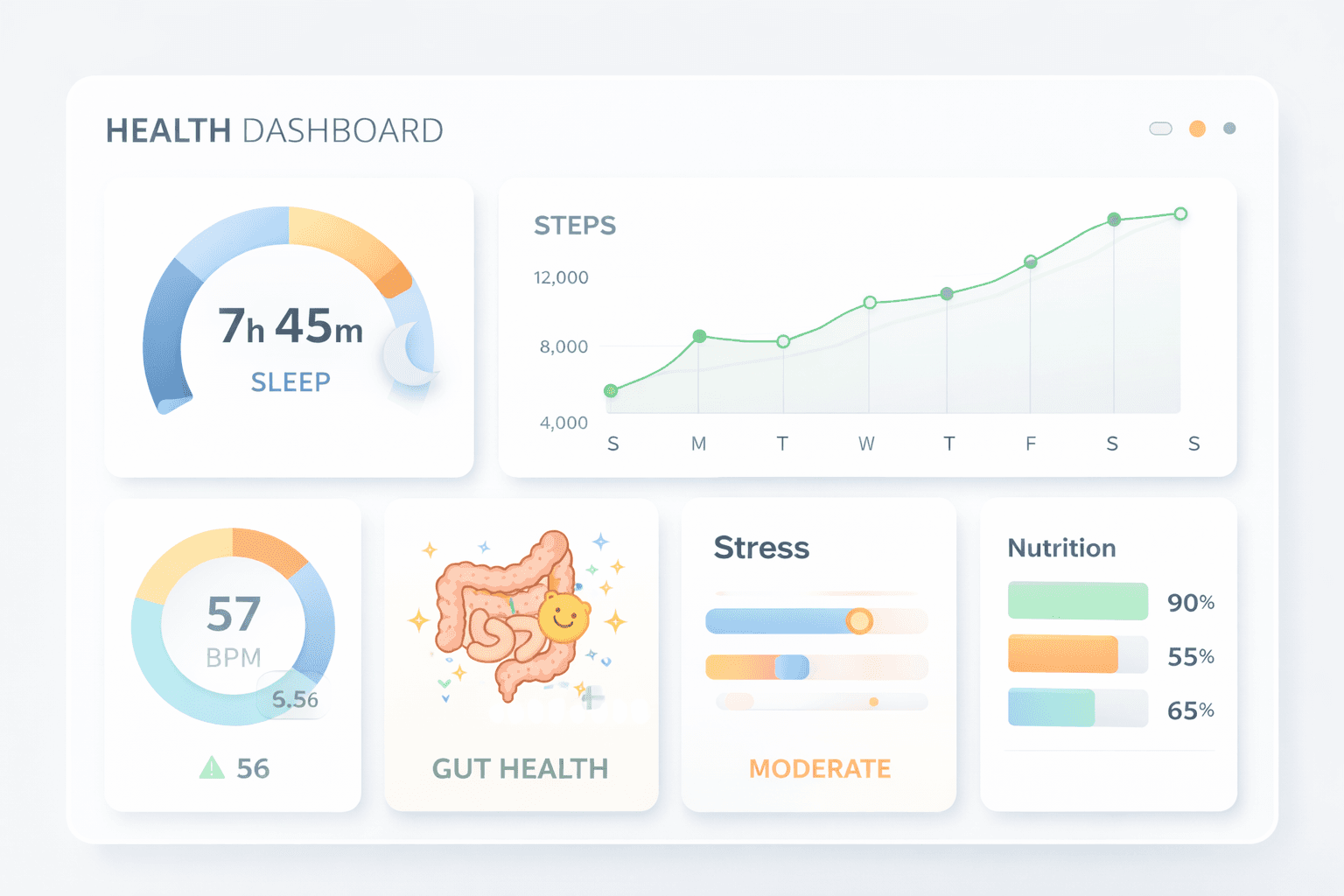
Blood & Epigenetic Tests
Pros:
- Biologically grounded
- Useful for long-term trend tracking
Cons:
- Expensive
- Not meant for frequent testing
- Sensitive to short-term stressors
Lifestyle-Based Calculators
Lifestyle models use:
- Sleep data
- Activity patterns
- Fasting consistency
- Recovery behaviors
They are not diagnostic, but useful for tracking directional change over time.
👉 Test your current baseline with our Biological Age Calculator and track changes over time
Personal Reflection: What Changed My Numbers
After prioritizing sleep consistency and adding two 16:8 fasting days per week, I noticed something unexpected. My estimated biological age dropped by about four years over three months.
Was that a permanent reversal? Probably not.
But it highlighted something important: small, boring habits compound faster than dramatic interventions.
Warnings: Don’t Chase Extremes
Longevity research is clear on one point—more is not always better.
Common mistakes include:
- Chronic calorie restriction
- Excessive fasting without recovery
- Overtraining
- Treating biological age as a score to “win”
Consistency beats perfection. Always.
Biological Age Is a Signal, Not a Goal
Lower biological age estimates often reflect:
- Better sleep
- Improved metabolic health
- Reduced inflammation
They don’t guarantee longevity—but they correlate with healthspan, which is what most people actually care about.
👉 Explore how your habits stack up using our free Biological Age Calculator
Frequently Asked Questions
Sources & Citations
- Horvath S. DNA methylation age of human tissues and cell types. Genome Biology
- Levine ME et al. An epigenetic biomarker of aging. Aging
- Longo VD, Panda S. Fasting, circadian rhythms, and longevity. Cell Metabolism
- Irwin MR. Sleep and inflammation in aging. Nature Reviews Immunology
- Steptoe A et al. Psychological stress and aging biomarkers. PNAS
- NIH & PubMed abstracts on autophagy, sleep, and longevity
This article is for educational purposes only and does not provide medical advice.
How We Choose Sources
We prioritize peer-reviewed human evidence first, major public-health guidance second, and use trend reports only as supporting context. Read our Editorial Policy for full methodology.
Written by AgelessWorld Editorial Team
Reviewed by: AgelessWorld Medical Review Board
Publisher: inboundflow.in
Last reviewed/updated: February 28, 2026
Editorial PolicyAdvertising PolicyDisclaimer
Not medical advice. Consult a qualified clinician for diagnosis or treatment decisions.
Advertisement