How to Build a Preventative Anti-Aging Routine in Your 20s and 30s (2026 Guide)
Published February 12, 2026 • By AgelessWorld Editorial Team
Last updated February 28, 2026 • Reviewed by AgelessWorld Medical Review Board (Clinical content review)
6 min read
Fact-check method
This article is reviewed against primary citations, guidance statements, and known evidence limitations before publication and update.
Affiliate Disclosure: Some product links in this article are affiliate links. We earn a small commission if you purchase at no extra cost to you. We only recommend products we believe in. See our Advertising Policy.
When I turned 28, I realized most of my friends were already showing early signs of aging—fine lines from late nights, dullness from stress, and uneven tone from sun exposure they didn’t think about in their 20s. That’s when I decided to stop waiting for damage to appear and start prejuvenation instead.
In 2026, prevention isn’t about freezing time; it’s about building skin that ages gracefully. This guide explains how to create a realistic, evidence-informed preventative skincare routine for your 20s and 30s—without extreme products, aggressive treatments, or unrealistic promises.
Why Prevention Beats Correction
Corrective skincare often focuses on reversing visible damage—deep wrinkles, pigmentation, or loss of elasticity. Preventative routines aim to slow the accumulation of that damage in the first place.
Research in dermatology consistently shows that:
- UV exposure accounts for a large portion of visible skin aging
- Early barrier damage compounds over time
- Collagen loss begins gradually in the mid-to-late 20s
As dermatologist often emphasizes, skin health is cumulative. Small daily habits practiced early tend to matter more than intense interventions later.
Core Principles of a Preventative Anti-Aging Routine
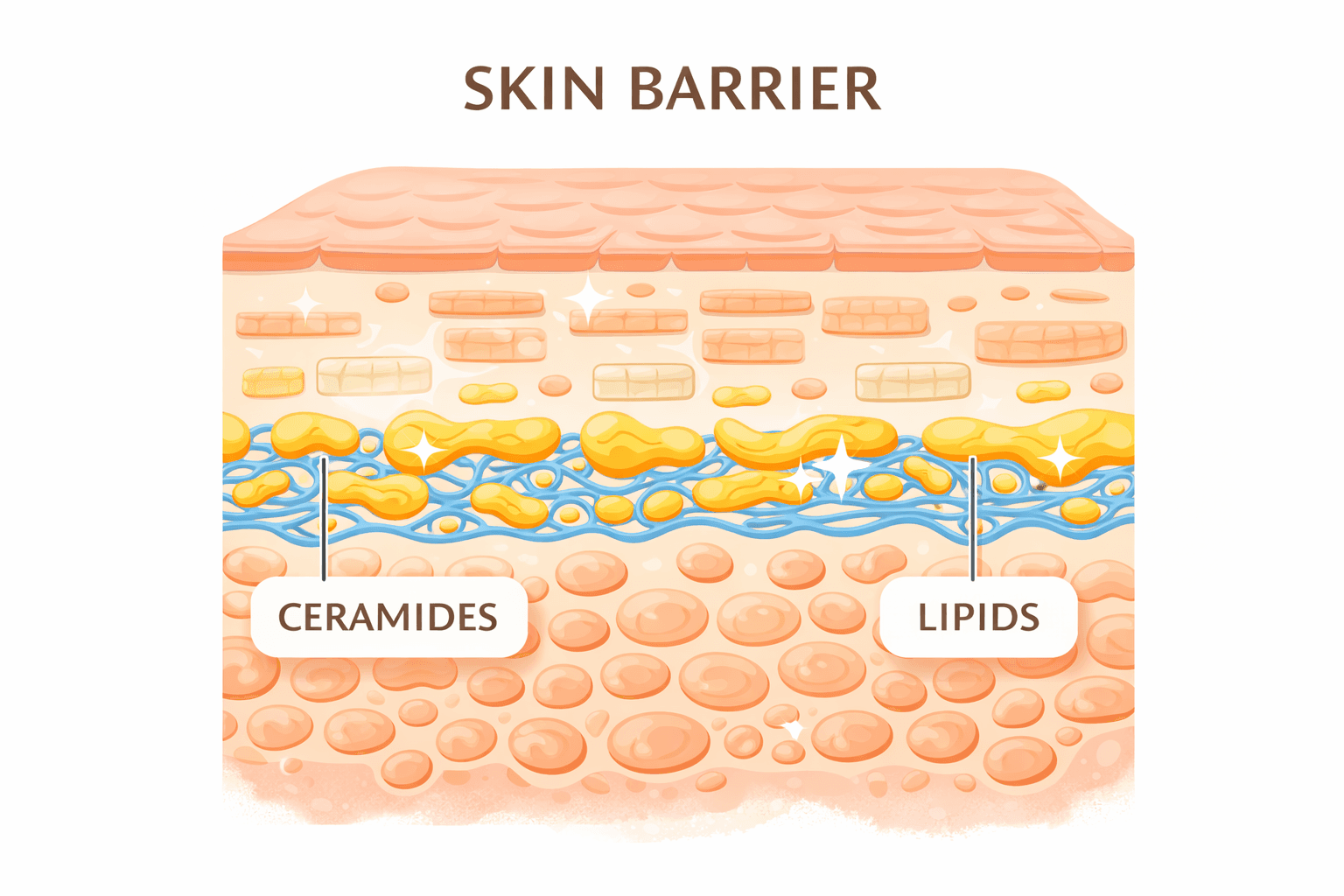
1. Barrier First
Your skin barrier protects against water loss, pollution, and irritants. A compromised barrier accelerates aging signals like inflammation and uneven texture.
Barrier-supportive routines prioritize:
- Mild, non-stripping cleansers
- Adequate moisturization
- Daily sun protection
2. Gentle Actives Over Aggressive Treatments
In your 20s and 30s, the goal is support—not correction. Low-dose, well-tolerated actives used consistently are favored over strong exfoliation or high-strength treatments.
3. Consistency Over Intensity
An anti-aging routine that works long-term is one you can maintain daily. According to dermatologist , inconsistent use of “power products” often leads to irritation without measurable benefit.
Step-by-Step Preventative Skincare Routine (2026)
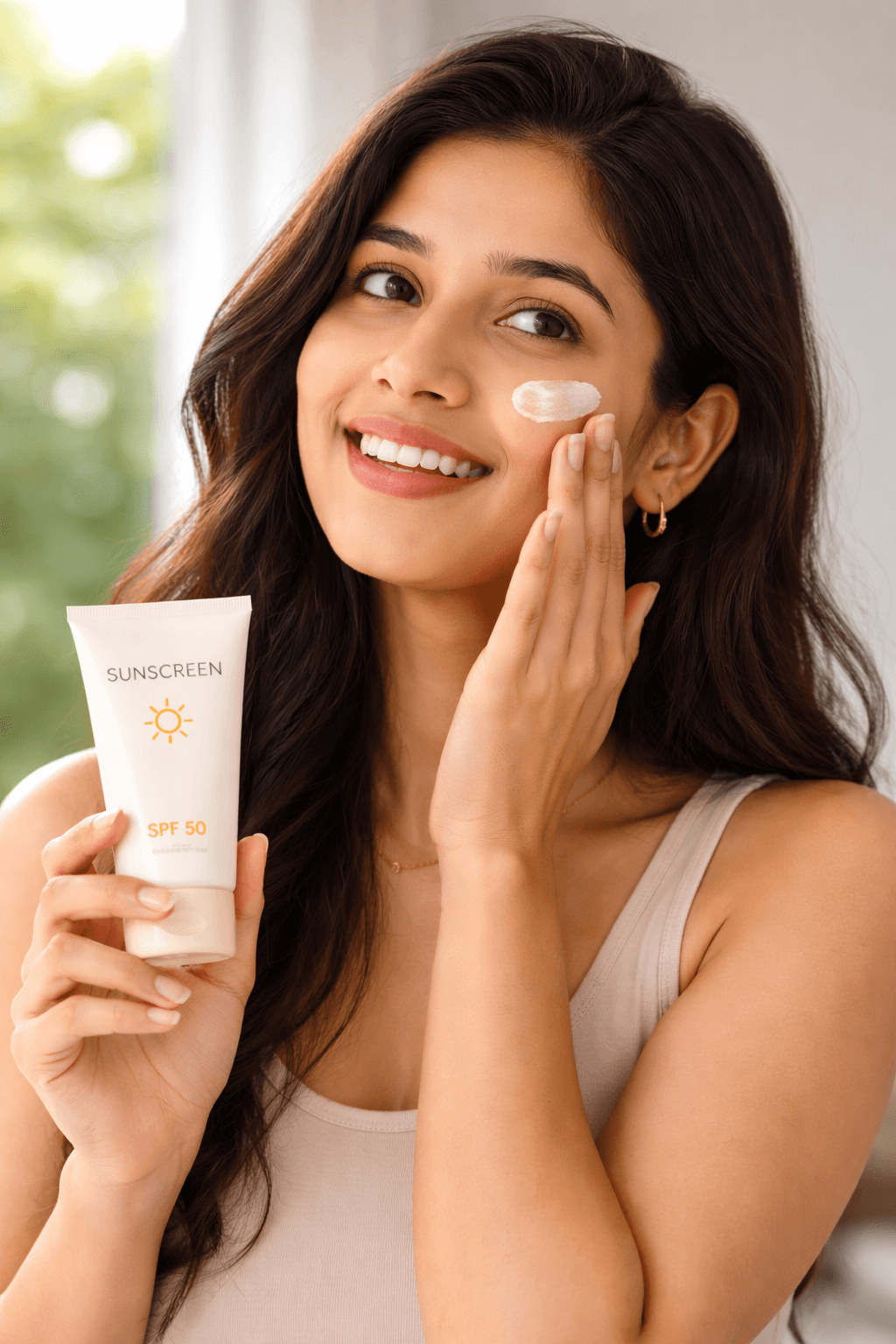
Morning Routine (AM)
1. Gentle Cleanser
Removes overnight oil and sweat without disrupting the barrier.
2. Antioxidant or Barrier Serum (Optional)
Look for:
- Niacinamide (2–5%)
- Peptides
- Hydrating humectants
3. Moisturizer
Even oily skin benefits from lightweight moisturizers.
4. Broad-Spectrum Sunscreen (SPF 30+)
Daily sunscreen is the most evidence-supported anti-aging step. Consistently recommended options include CeraVe Hydrating Sunscreen SPF 50 for normal-to-dry skin and EltaMD UV Clear SPF 46 for oily or acne-prone skin.
Skin-Type Variations
- Dry skin: Cream cleanser + richer moisturizer
- Oily skin: Gel cleanser + lightweight lotion
- Sensitive skin: Minimal steps, fragrance-free formulas
Evening Routine (PM)
1. Cleanser
Double cleansing only if wearing heavy sunscreen or makeup.
2. Low-Dose Active (2–3 nights/week initially)
Options include:
- Retinoids (low strength)
- Tranexamic acid
- Gentle exfoliating acids (sparingly)
3. Barrier Repair Moisturizer
Look for ceramides, cholesterol, and fatty acids.
Key Ingredients Shaping Prejuvenation in 2026
Peptides
- Support skin signaling pathways
- Commonly used for texture and firmness maintenance
Niacinamide
- Helps with barrier repair
- Supports even tone and reduced inflammation
Tranexamic Acid
- Studied for hyperpigmentation support
- Often better tolerated than stronger brightening agents
Ceramides
- Essential for barrier integrity
- Especially important in dry or urban environments
- CeraVe Moisturizing Cream remains the gold-standard accessible ceramide moisturizer with a strong clinical safety record.
Low-Dose Retinoids
- Associated with collagen preservation
- Lower concentrations reduce irritation risk when started early
- Differin Adapalene Gel 0.1% is the most-studied OTC retinoid and widely regarded as the gentlest entry option.
Lifestyle Factors That Influence Skin Aging
Skincare alone doesn’t operate in isolation.
Sleep
Chronic sleep deprivation is linked with:
- Slower barrier recovery
- Increased dullness and uneven tone
Use our Sleep Optimizer to assess habits that may indirectly affect skin health.
Fasting & Metabolic Health
Emerging research suggests metabolic balance may influence inflammation pathways relevant to skin aging. Our Fasting Tracker helps visualize patterns—not prescribe them.
Fiber & the Gut–Skin Axis
Dietary fiber supports microbiome diversity, which may influence systemic inflammation and skin conditions. Explore this connection using the Microbiome Quiz.
Common Mistakes to Avoid in Your 20s and 30s
- Over-exfoliating “just in case”
- Skipping sunscreen on cloudy or indoor days
- Chasing trends without understanding skin tolerance
- Introducing multiple actives at once
- Expecting visible results within days or weeks
Build a Routine That Actually Fits Your Life
Preventative skincare works best when it aligns with your schedule, skin type, and tolerance—not when copied blindly from social media.
👉 Build your personalized version in our Daily Routine Builder
You can also explore how lifestyle factors influence aging patterns using our Biological Age Tool.
Related Reading
- “Understanding Skin Barrier Function” – Journal of Investigative Dermatology
- “Photoaging and UV Exposure” – Dermatologic Clinics
- “Emerging Trends in Prejuvenation” – 2026 Global Dermatology Reports
Frequently Asked Questions
Sources & Citations
- Fisher GJ et al. Mechanisms of Photoaging and Chronological Skin Aging. J Investig Dermatol
- Draelos ZD. Cosmetic Dermatology: Products and Procedures
- Idriss S. Clinical commentary on barrier-first skincare, 2024–2026
- Dray A. Educational dermatology content on retinoids and irritation management
- Global Dermatology Trends Report, 2026
- NIH – Collagen metabolism and skin aging studies
This article is for educational purposes only and does not replace professional medical advice.
How We Choose Sources
We prioritize peer-reviewed human evidence first, major public-health guidance second, and use trend reports only as supporting context. Read our Editorial Policy for full methodology.
Written by AgelessWorld Editorial Team
Reviewed by: AgelessWorld Medical Review Board
Publisher: inboundflow.in
Last reviewed/updated: February 28, 2026
Editorial PolicyAdvertising PolicyDisclaimer
Not medical advice. Consult a qualified clinician for diagnosis or treatment decisions.
Advertisement