Stress, Cortisol, and Skin Aging: A Practical Recovery Protocol
Published February 28, 2026 • By AgelessWorld Editorial Team
Last updated February 28, 2026 • Reviewed by AgelessWorld Medical Review Board (Clinical content review)
5 min read
Fact-check method
This article is reviewed against primary citations, guidance statements, and known evidence limitations before publication and update.
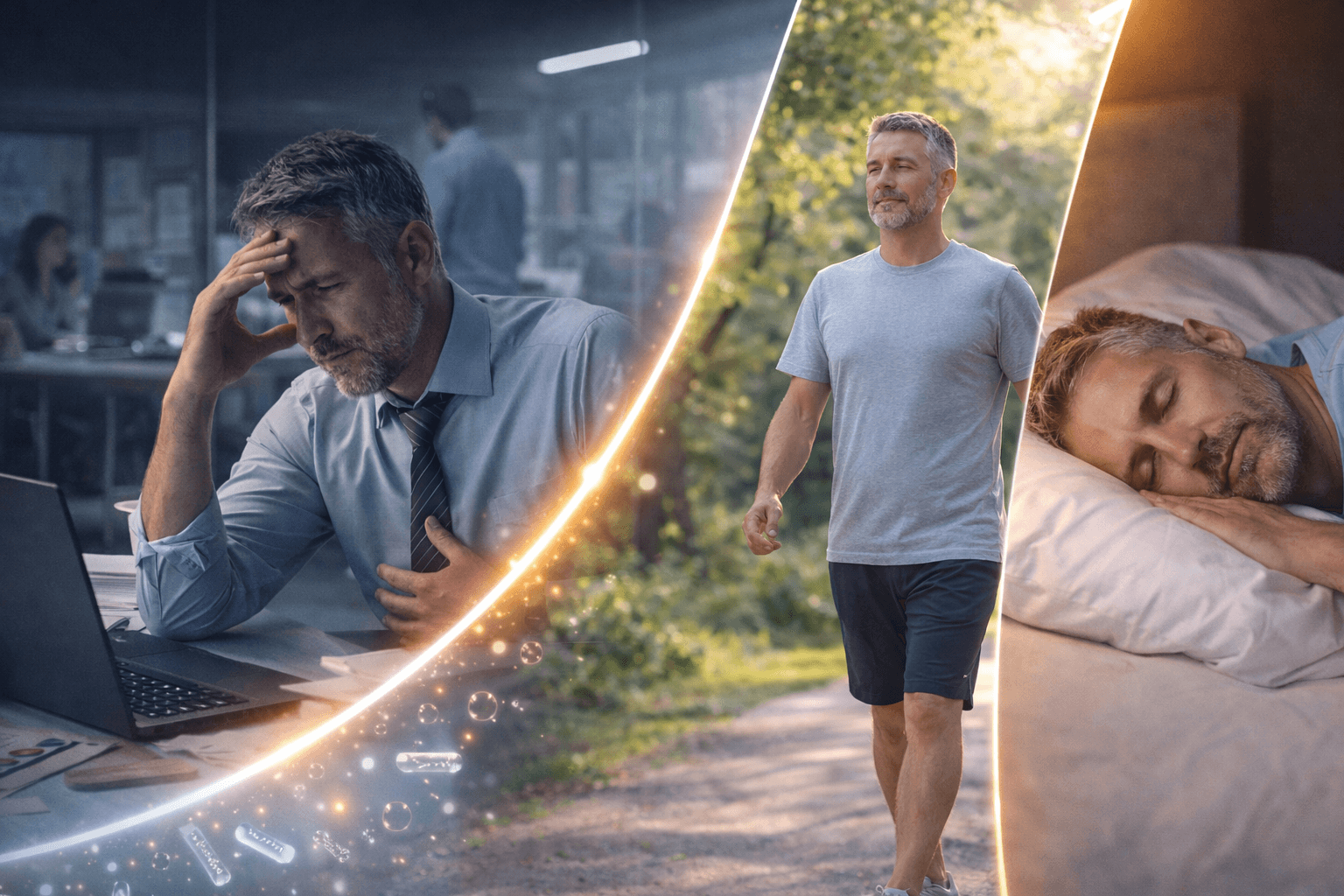
Chronic stress does not just affect mood, it can alter sleep, inflammatory tone, skin barrier quality, and long-term behavior consistency. This guide is for readers who want practical recovery habits rather than vague “reduce stress” advice.
Expected outcome: a repeatable protocol that lowers allostatic load and supports skin and metabolic resilience.
Evidence Breakdown
High confidence
- Chronic stress and poor sleep are linked with elevated inflammatory burden.
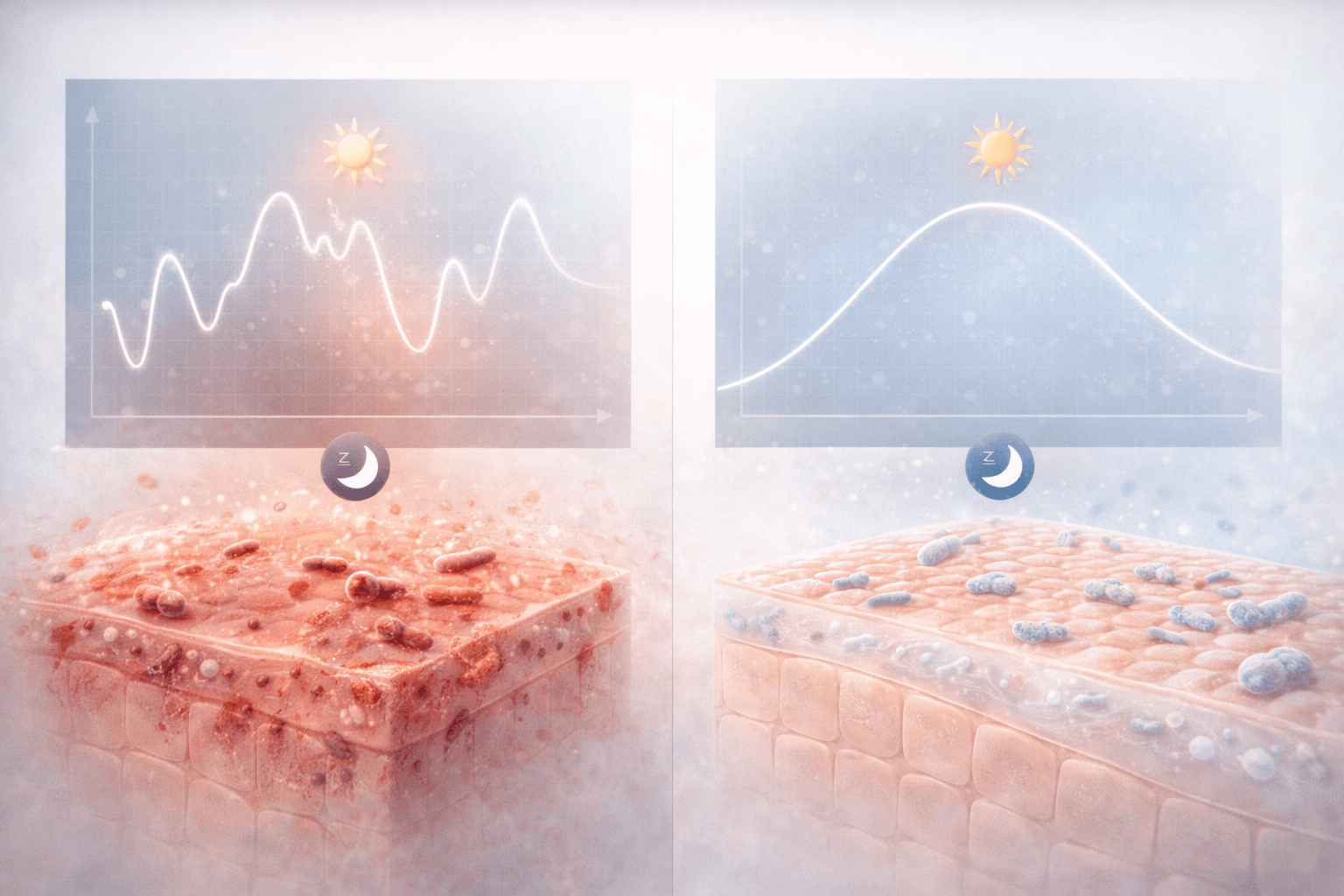
- Stress can worsen barrier integrity and flare inflammatory skin conditions.
- Regular physical activity and sleep consistency improve stress resilience.
Medium confidence
- Breathwork and mindfulness interventions can reduce perceived stress and improve autonomic regulation markers for some groups.
- Structured social support and routine planning may improve adherence and recovery outcomes.
Low confidence
- Universal cortisol “hacks” that work the same for everyone.
- Product-only approaches to stress-driven skin outcomes.
How Chronic Cortisol Damages Skin and Accelerates Aging
Cortisol is not inherently harmful — it is a necessary stress hormone that mobilizes energy, regulates inflammation, and coordinates the body's emergency response. The problem is chronic elevation: sustained cortisol output from unresolved psychological stress, poor sleep, overtraining, or inadequate recovery creates a cascade of biological damage that accelerates both biological and visible aging.
At the skin level, chronically elevated cortisol increases transepidermal water loss by disrupting the lipid matrix of the skin barrier, making skin more permeable to irritants, allergens, and microorganisms. It also suppresses keratinocyte proliferation — the skin cell turnover process that keeps surface texture smooth and barrier function intact — and impairs fibroblast activity, reducing the rate of collagen and elastin synthesis. The net effect is thinner, drier, slower-healing skin that shows the effects of environmental damage more rapidly.
Systemically, chronic stress accelerates epigenetic aging through multiple pathways. Sustained cortisol elevation shortens telomeres — the protective caps on chromosomes that are a key biological aging marker — by increasing oxidative stress and reducing telomerase activity. It also drives up circulating inflammatory cytokines (particularly IL-6 and TNF-α) that promote a low-grade inflammatory state associated with faster progression along multiple aging trajectories.
Tracking recovery quality is a practical way to make the connection between stress load and physiological state measurable rather than subjective. Heart rate variability (HRV) — measured nightly by wearables like the Oura Ring Gen 3 or Whoop 4.0 — provides a proxy for autonomic nervous system balance. Sustained HRV decline across multiple days, even when perceived stress feels manageable, is often a sign of accumulated allostatic load that warrants explicit recovery intervention rather than simply pushing through.
Practical Protocol and Checklist
Daily protocol
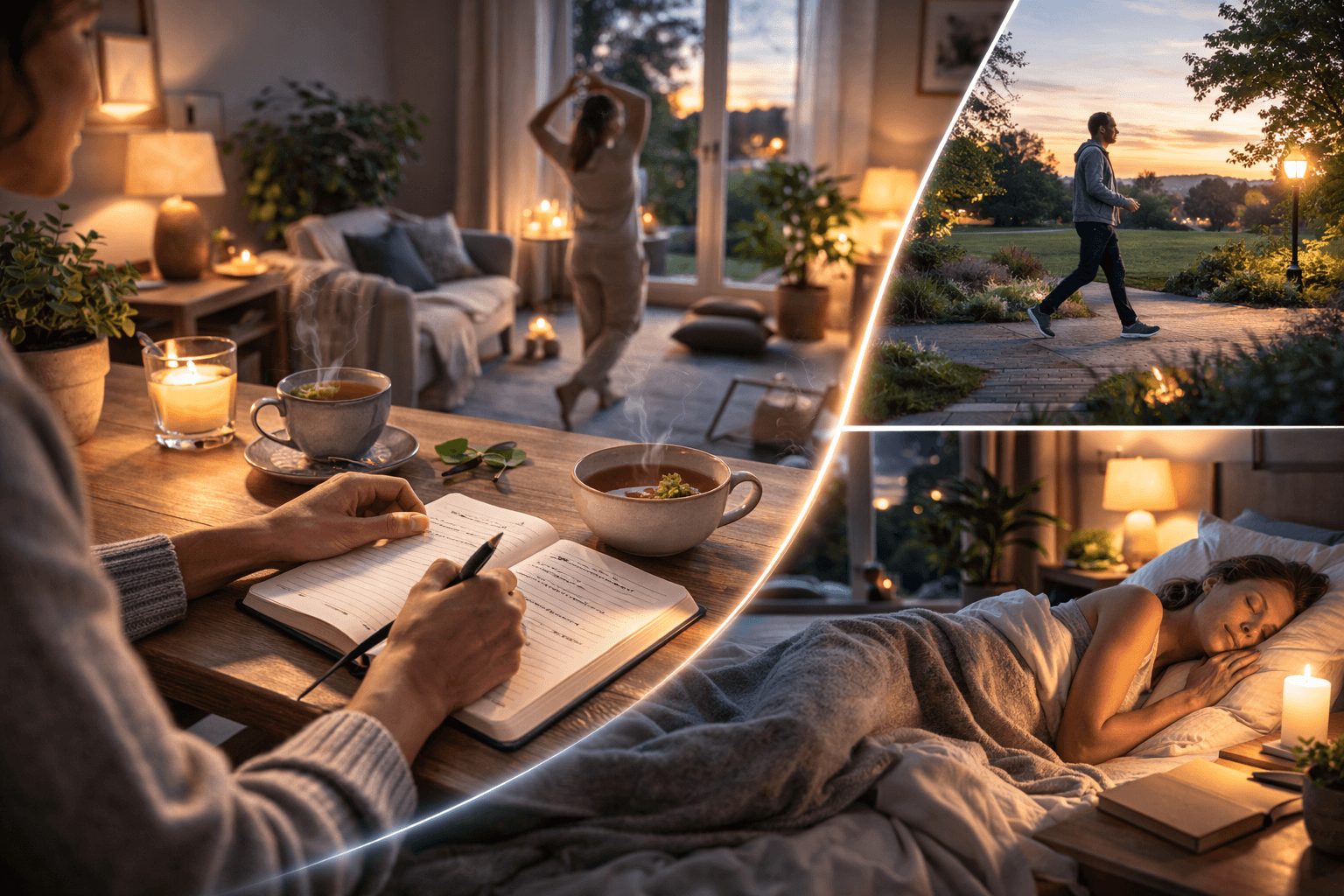
- 10 minutes of downregulation practice (slow breathing, NSDR, or body scan).
- 20–30 minutes daylight walking.
- One defined transition ritual after work (music, walk, or shower).
- Evening light reduction and fixed wind-down start time.
Weekly protocol
- One no-overcommitment evening for recovery.
- Plan high-cognitive work blocks earlier in day when possible.
- Track 3 indicators: sleep timing, stress spikes, and skin flare episodes.
You can combine habit tracking with the Daily Routine Builder for a practical schedule.
Risks and Contraindications
- Overly rigid self-optimization can itself become a stressor.
- Under-eating plus high stress can worsen sleep and recovery.
- Persistent high anxiety or low mood should not be self-managed indefinitely.
Who Should Talk to a Clinician First
- Ongoing panic symptoms, severe anxiety, or depressive episodes.
- Persistent insomnia with daytime impairment.
- Stress-associated blood pressure or glycemic instability.
Evidence Limitations
Stress research often relies on mixed endpoints and self-reported measures. Biological pathways are plausible and supported, but intervention effects vary substantially across context and adherence.
Related Reading
- Circadian Rhythm and Longevity in 2026: A Practical, Evidence-Based Guide
- Microbiome-Skin Axis in 2026: Science-Backed Habits That Matter
- Lower Your Biological Age in 2026: The Habits That Actually Work
- Track recovery with the Sleep Optimizer
- Policy context: Editorial Policy and Disclaimer
Sources & Citations
- Epel ES et al. Stress and biological aging marker research.
- Irwin MR. Sleep, immunity, and inflammation reviews.
- Chrousos GP. Stress system physiology and allostatic load.
- AAD resources on stress and skin conditions.
- HPA-axis clinical review papers.
- Mindfulness and breathwork meta-analyses in stress outcomes.
- WHO resources on mental health and stress management.
- NIH resources on sleep/stress and chronic disease risk.
This article is for educational purposes only and does not provide medical advice.
Frequently Asked Questions
How We Choose Sources
We prioritize peer-reviewed human evidence first, major public-health guidance second, and use trend reports only as supporting context. Read our Editorial Policy for full methodology.
Written by AgelessWorld Editorial Team
Reviewed by: AgelessWorld Medical Review Board
Publisher: inboundflow.in
Last reviewed/updated: February 28, 2026
Editorial PolicyAdvertising PolicyDisclaimer
Not medical advice. Consult a qualified clinician for diagnosis or treatment decisions.
Advertisement